

Dubai: RTA to test school transport pooling with Yango and Urban Express
Multiple campuses covered through zoned operations and flexible scheduling
DUBAI’s Roads and Transport Authority will introduce a pilot school transport pooling initiative in the first quarter of 2026, marking a new phase in how students travel to and from campuses across the city.
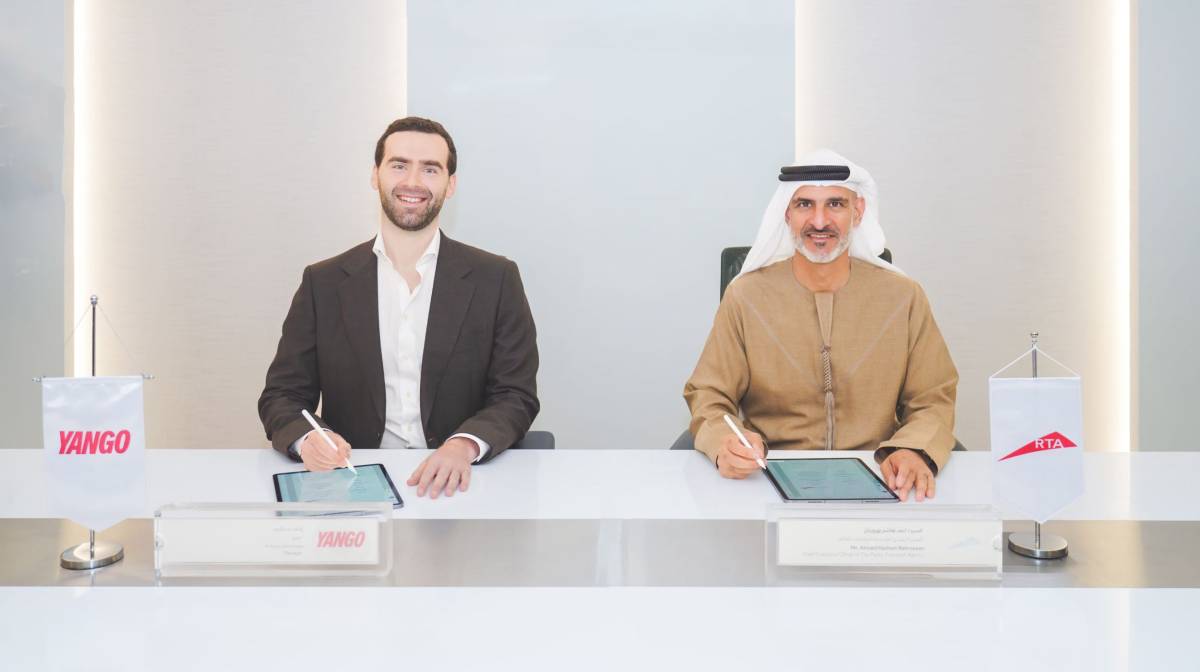
The programme is being rolled out in partnership with Yango Group and Urban Express Transport following the signing of two memoranda of understanding. The move comes as part of RTA’s wider strategy to advance smart and sustainable mobility while improving daily travel efficiency for schoolchildren and families.
The memoranda were signed by Ahmed Hashem Bahrozyan, Chief Executive Officer of RTA’s Public Transport Agency, Islam Abdul Karim, Regional Head of Yango Group, and Dr Mohammad Al Hashimi, Founder and Chief Executive Officer of Urban Express Transport. The agreements set the framework for testing a shared school bus model designed to serve multiple schools within defined geographic zones.
Impact on traffic
RTA said the initiative responds to a steady rise in the number of private vehicles being used to transport students, a trend that has intensified congestion around school zones during peak hours. Bahrozyan noted that this pattern directly affects traffic flow and increases pressure on surrounding road networks.
The pilot introduces a pooled transport alternative intended to be offered at affordable rates, encouraging families to shift from individual car journeys to shared services. By grouping students travelling along similar routes, RTA expects fewer vehicles to be circulating during the morning and afternoon peaks, easing bottlenecks near school gates and on feeder roads.
Shared buses will operate across designated zones, allowing several nearby schools to be served by the same fleet. This zonal model is expected to shorten overall journey times for students by reducing duplication of routes and improving vehicle utilisation.
Safety standards
RTA confirmed that the pilot will be implemented under the highest approved safety and security standards governing school transport in Dubai. All operations will comply with existing regulatory and legislative frameworks across the emirate, with no exemptions made for the trial phase.
Smart technological systems will play a central role in monitoring safety and service quality. The initiative will include digital trip management, real time vehicle tracking and continuous operational oversight. These tools are designed to give parents and schools greater visibility over journeys while enabling operators to respond quickly to any disruptions.
Bahrozyan said the combination of regulatory compliance and technology-driven monitoring is intended to ensure that the pooled model delivers the same or higher levels of safety as traditional dedicated school buses.
Digital systems
Yango Group will contribute data-driven routing and scheduling technology to the project. According to Islam Abdul Karim, school transport represents one of the most complex daily mobility challenges, combining safety requirements with tight timetables and cost pressures on families.
Under the pilot, Yango’s platform will group students with similar travel patterns into shared buses operating on optimised routes. Real time data will be used to adjust schedules, improve punctuality and maintain continuous oversight of vehicles on the road.
The approach is designed to increase service reliability while reducing unnecessary mileage. By improving route planning and vehicle utilisation, the system aims to lower congestion levels and create a more predictable experience for parents and students.
Sustainability goals
Urban Express Transport will support the operational side of the pilot, including the deployment of pooled buses and flexible services. Dr Al Hashimi said the project is focused on reducing congestion, improving bus utilisation and enhancing the daily travel experience for students.
The pooling model aligns with Dubai’s broader environmental and digital transformation strategies by encouraging fewer vehicles to carry more passengers. Better utilisation of each bus is expected to cut the number of trips required across the network, supporting sustainability targets while maintaining service coverage.
RTA will use the pilot phase to assess operational performance, traffic impact and social outcomes. The results will inform decisions on whether and how the model could be expanded across more schools and districts in the future.